Scope of Digital Marketing: Complete Guide to Career, Business, and Future Opportunities
Digital marketing has become an important part of modern business. As more people use search engines, social media, websites, email, and online shopping platforms, businesses need digital channels to reach and communicate with their customers. This has created a wide scope of digital marketing for businesses, professionals, freelancers, and students.
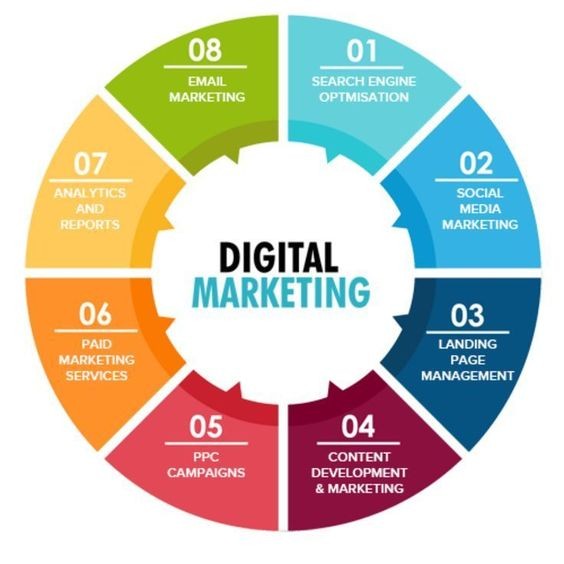
Digital marketing is not limited to posting on social media. It includes SEO, social media marketing, content marketing, email marketing, PPC advertising, video marketing, influencer marketing, affiliate marketing, mobile marketing, and analytics. Each area provides different opportunities and can support different business goals.
In this guide, we will explore the major areas of digital marketing, career opportunities, business benefits, required skills, and the future of the digital marketing industry.
1. Scope of Digital Marketing in SEO
Search Engine Optimization (SEO) is one of the most important areas of digital marketing. SEO focuses on improving a website’s visibility in search engine results for relevant searches.
Businesses use SEO to attract people who are already searching for their products, services, or information.
SEO includes several activities, such as:
- Keyword research
- On-page SEO
- Off-page SEO
- Technical SEO
- Local SEO
- Content optimization
- Internal linking
- Image optimization
- Website performance optimization
The scope of SEO in digital marketing is broad because almost every business with an online presence can benefit from search visibility.
Professionals can work as SEO executives, SEO analysts, SEO specialists, content SEO specialists, or technical SEO professionals. Businesses can also use SEO to increase organic traffic and improve their online presence.
2. Scope of Digital Marketing in Social Media Marketing
Social media marketing is another major area of digital marketing. Platforms such as Instagram, Facebook, LinkedIn, YouTube, and other social networks allow businesses to communicate directly with their audiences.
Social media marketing can be used for:
- Brand awareness
- Audience engagement
- Community building
- Product promotion
- Customer communication
- Website traffic
- Lead generation
- Social media advertising
A social media professional may create content calendars, write captions, design posts, analyze performance, manage communities, and coordinate social media campaigns.
The scope of social media marketing is especially relevant for brands that want to build a recognizable online identity and maintain regular communication with their audience.
3. Scope of Digital Marketing in Content Marketing
Content marketing focuses on creating and distributing useful, relevant content for a target audience.
Content can include:
- Blog posts
- Articles
- Guides
- Infographics
- Videos
- Social media posts
- Case studies
- E-books
- Newsletters
Good content can educate customers, answer questions, support SEO, and strengthen brand credibility.
For example, a digital marketing agency can publish beginner-friendly SEO guides to attract people searching for information about SEO.
The scope of content marketing creates opportunities for content writers, copywriters, content strategists, editors, SEO content writers, and content managers.
Content marketing also works together with other digital marketing channels, especially SEO and social media marketing.
4. Scope of Digital Marketing in Paid Advertising
Paid advertising allows businesses to promote their products and services through digital advertising platforms.
Common forms of paid digital advertising include:
- Google Ads
- Search advertising
- Display advertising
- Social media advertising
- Video advertising
- Shopping advertising
- Remarketing campaigns
PPC advertising can help businesses reach specific audiences based on factors such as search terms, interests, demographics, location, or online behavior, depending on the platform.
Professionals working in this field may manage budgets, create advertisements, research keywords, test campaigns, monitor conversions, and analyze results.
The scope of PPC and paid advertising is significant because businesses can use paid campaigns for objectives such as traffic, leads, sales, app promotion, or brand visibility.
5. Scope of Digital Marketing in Email Marketing
Email marketing is used by businesses to communicate with customers and subscribers through email.
Businesses can send different types of emails, including:
- Welcome emails
- Newsletters
- Promotional emails
- Product updates
- Educational emails
- Re-engagement emails
- Abandoned-cart emails
Email marketing can support customer engagement, lead nurturing, customer retention, and relationship building.
Email automation can also help businesses send relevant messages based on customer actions or predefined campaigns.
Professionals can work in email marketing, marketing automation, CRM, campaign management, and email content creation.
The scope of email marketing remains connected to the ability of businesses to communicate directly with people who have chosen to receive their messages.
6. Scope of Digital Marketing in Video Marketing
Video has become an important content format across websites and social media platforms. Video marketing involves using videos to educate, entertain, explain, demonstrate, or promote products and services.
Businesses can create:
- Product demonstration videos
- Explainer videos
- Tutorial videos
- Brand videos
- Customer testimonial videos
- Short-form videos
- Educational videos
- Behind-the-scenes videos
Video marketing can support brand awareness, audience engagement, customer education, and online visibility.
This area also creates opportunities for video editors, content creators, scriptwriters, motion graphics designers, social media managers, and video marketing specialists.
The scope of video marketing continues to expand as businesses look for engaging ways to communicate online.
7. Scope of Digital Marketing in Influencer Marketing
Influencer marketing involves collaborating with creators who have an audience on platforms such as Instagram, YouTube, and other social networks.
Businesses may work with influencers to introduce products, create sponsored content, demonstrate services, or reach specific communities.
An effective influencer marketing campaign requires more than simply selecting a creator. Businesses may consider:
- Audience relevance
- Content style
- Engagement
- Campaign goals
- Brand fit
- Budget
- Campaign performance
The scope of influencer marketing provides opportunities for influencer managers, campaign coordinators, social media professionals, content creators, and digital marketing agencies.
8. Scope of Digital Marketing in E-Commerce Marketing
The growth of online shopping has created a large role for e-commerce digital marketing.
Online stores use digital marketing to attract visitors, promote products, generate sales, and retain customers.
Important e-commerce marketing activities include:
- Product SEO
- Google Shopping
- Social media marketing
- Paid advertising
- Email marketing
- Content marketing
- Retargeting
- Conversion rate optimization
- Customer retention
E-commerce businesses can use multiple digital channels together. For example, SEO can bring organic traffic, social media can create awareness, paid advertising can reach potential buyers, and email marketing can support customer retention.
This creates opportunities for e-commerce marketers, performance marketers, SEO specialists, paid advertising professionals, and conversion optimization specialists.
9. Scope of Digital Marketing in Analytics and Data
Digital marketing generates a large amount of performance data. Digital marketing analytics helps businesses understand what is happening across their campaigns and websites.
Marketers can analyze metrics such as:
- Website traffic
- Engagement
- Leads
- Conversions
- Click-through rate
- Campaign performance
- Customer acquisition
- Search visibility
- Email performance
Analytics can help marketers understand which strategies are performing as expected and where improvements may be needed.
This creates career opportunities in marketing analytics, performance marketing, SEO analytics, web analytics, campaign reporting, and data-driven marketing.
Understanding data is becoming increasingly important because digital marketers need to make informed decisions rather than relying only on assumptions.
10. Scope of Digital Marketing as a Career
One of the biggest areas of the scope of digital marketing is career development.
Students and professionals can specialize in different areas according to their interests and skills.
Some common digital marketing career options include:
- Digital Marketing Executive
- SEO Executive
- SEO Specialist
- Social Media Manager
- Content Writer
- Content Strategist
- PPC Specialist
- Performance Marketer
- Email Marketing Specialist
- Digital Marketing Analyst
- Affiliate Marketing Specialist
- E-commerce Marketer
- Video Marketing Specialist
Digital marketing can also provide opportunities for freelancing, internships, agency work, in-house marketing, consulting, and entrepreneurship.
Skills Required for a Digital Marketing Career
A successful digital marketer can benefit from both technical and creative skills.
Important skills include:
- SEO
- Keyword research
- Content writing
- Social media management
- Basic graphic design
- Analytics
- Communication
- Copywriting
- Paid advertising
- Email marketing
- Website basics
- Problem-solving
The exact skills required depend on the specialization.
Future Scope of Digital Marketing
The future of digital marketing is connected to changing consumer behavior, technology, online platforms, and business needs.
Businesses are increasingly using digital channels to communicate with customers throughout the customer journey. This means digital marketing professionals may need to continuously learn new tools, platforms, content formats, and measurement techniques.
Areas such as AI-assisted marketing, marketing automation, video content, personalization, SEO, social commerce, data analytics, and performance marketing are becoming important parts of the wider digital marketing ecosystem.
However, technology does not replace the need for strategy, creativity, audience understanding, and good communication. Marketers still need to understand customer needs and create useful experiences.
Benefits of Digital Marketing for Businesses
The scope of digital marketing is not limited to careers. It also provides businesses with different ways to reach and understand their audiences.
Some benefits include:
- Wider online reach
- Better audience targeting
- Brand awareness
- Website traffic
- Lead generation
- Customer engagement
- Measurable campaigns
- Online sales
- Customer retention
- Local visibility
Small businesses can also use digital marketing to build an online presence and compete for attention in specific markets.
Conclusion
The scope of digital marketing is broad and includes SEO, social media marketing, content marketing, paid advertising, email marketing, video marketing, influencer marketing, e-commerce marketing, analytics, and many other areas.
For businesses, digital marketing provides different channels for reaching customers, building awareness, generating leads, and supporting online growth. For students and professionals, it offers multiple career paths and opportunities to develop specialized skills.
If you are planning to build a career in digital marketing, start with the fundamentals and then choose areas that match your interests. Learning through practical projects, creating a portfolio, and continuously improving your skills can help you understand how different digital marketing channels work together.
Digital marketing is a constantly changing field, so continuous learning is an important part of building a long-term career in this industry.